The board adhesive is selected based on the materials and joint geometry, not solely on the temperature indicated on the packaging. When installing with HT Fireboard, determine whether you are joining sheets, fixing them to the substrate, or forming another detail. Each location should have a described task.
Dry-fit the boards before gluing
HT Fireboard has its own installation and finishing requirements. Check the edges, the condition of the substrate, and the intended support. Adhesive should not hide a loose wall or accidentally altered geometry of the installation.
Mark the holes needed for device operation and areas intended for movement. A trial fit without fire allows you to assess access before covering. Do not seal every free space if the documentation requires leaving it open.
Compare BA and HB60
Board Adhesive BA is a ready-to-use adhesive for specific panel connections. The instructions describe flat, compatible joints and thickness limitations. Do not treat the paste as a filler for a wide gap caused by a poorly fitted cut.
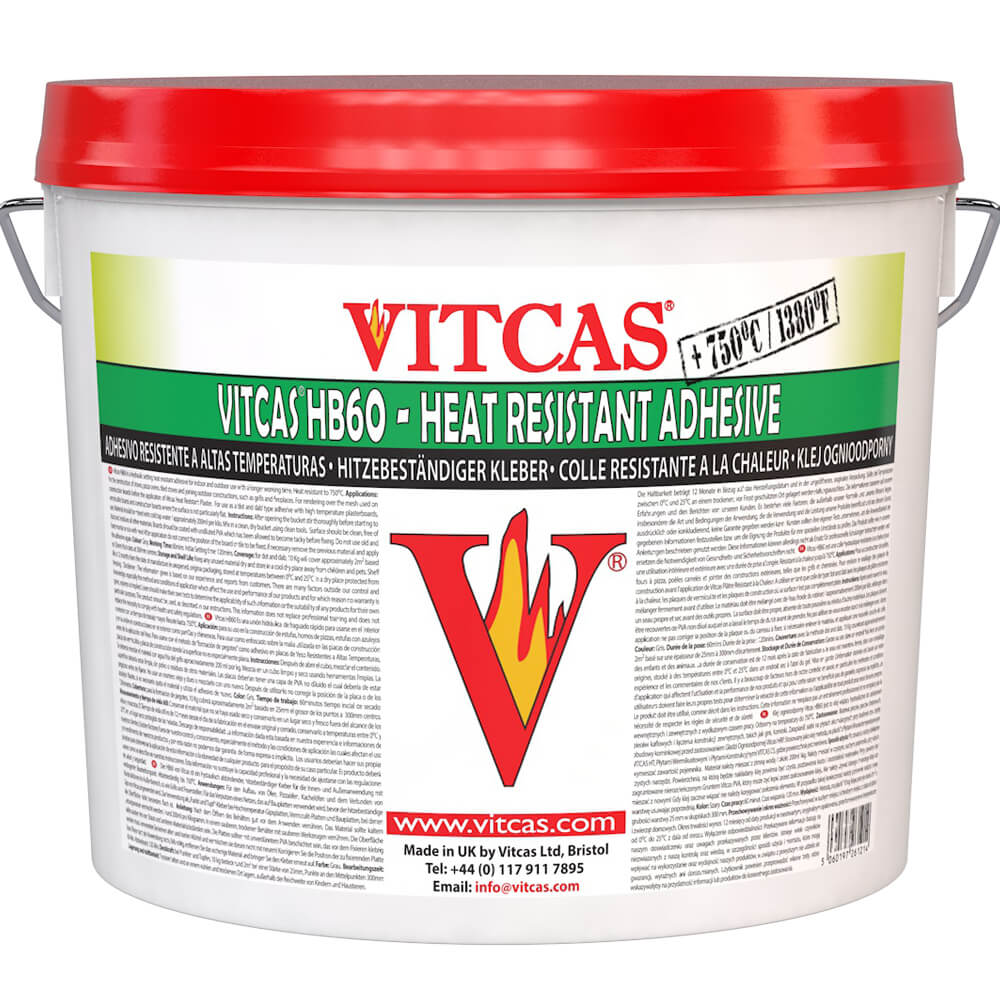
HB60 is a hydraulic adhesive with different preparation and its own range of applications. Check the compatibility of the panel, substrate, and working conditions. The resistance of the adhesive does not automatically provide the same parameters to all bonded materials.
Check the connection before plastering
Prepare the surface and the product according to the instructions of the selected variant. Maintain the required stages of setting and drying before further work. The fastening of the entire assembly should correspond to its weight and the requirements of the insert.
Take photos of joints, edges, and support before finishing. Record the adhesive used at each specific location. In case of a later crack, it will be clear whether you are assessing the sheet connection, the substrate, or the surface layer, instead of selecting another repair material solely based on the width of the mark.